
EVA Profile Problems You Face and How Wrapping Adhesive Fixes Them
Why Are More Profile Manufacturers Switching Away from Traditional EVA Adhesives?
In today's furniture, door, window, and decorative material industries, profile wrapping technology has become one of the most important surface finishing processes. Whether wrapping PVC film, decorative paper, CPL, PET film, veneer, or aluminum foil onto MDF, WPC, aluminum, or plastic profiles, adhesive performance directly determines product quality and customer satisfaction.
However, many manufacturers still encounter persistent production issues when using traditional EVA-based wrapping adhesives. Problems such as edge lifting, blistering, poor heat resistance, and delamination continue to increase production costs and after-sales risks.
Recently, Foshan Tonren Adhesive Co., Ltd, a professional adhesive manufacturer with extensive experience in profile wrapping applications, completed several shipments of advanced wrapping adhesive solutions to overseas customers upgrading their profile production lines.
The question many manufacturers are asking is simple:
Why do profile wrapping defects keep occurring, and how can the right wrapping adhesive solve them?
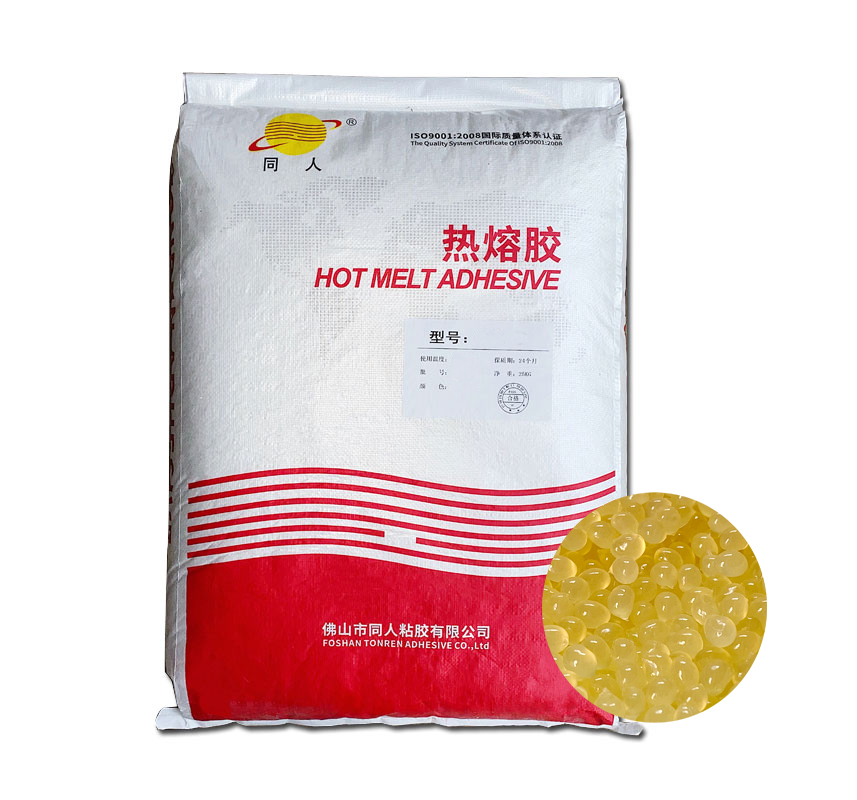
What Is Profile Wrapping Adhesive?
Profile Wrapping Adhesive is a specialized bonding material used to laminate decorative materials onto various profile substrates through profile wrapping machines.
The adhesive creates a strong and durable bond between:
PVC film and MDF
PVC film and WPC
Decorative paper and wood
PET film and composite boards
Aluminum foil and plastic profiles
Veneer and engineered wood
A high-quality wrapping adhesive must provide:
✔ Excellent initial tack
✔ Long open time
✔ High heat resistance
✔ Moisture resistance
✔ Aging resistance
✔ Fast production compatibility
✔ Low defect rates
Without a stable adhesive system, even the most advanced profile wrapping machine cannot consistently produce high-quality products.
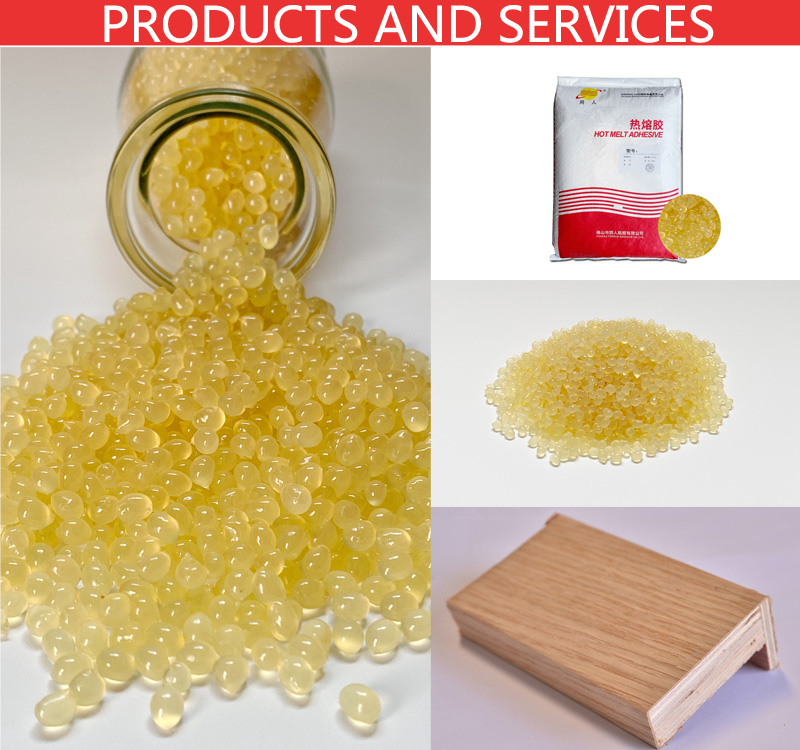
Common EVA Profile Problems Manufacturers Face
Although EVA adhesives remain widely used due to their relatively low purchase cost, they often struggle to meet modern production requirements.
Problem 1: Edge Lifting After Several Months
One of the most common complaints occurs when decorative films begin separating from profile edges after installation.
Typical causes include:
Insufficient adhesive penetration
Weak bonding strength
Temperature fluctuations
Moisture exposure
Industry investigations suggest that edge lifting accounts for approximately 25%-35% of profile wrapping quality complaints.
Once separation begins, moisture can penetrate the substrate and accelerate product failure.
Problem 2: Blistering During Summer
Profiles installed near windows, balconies, or exterior-facing surfaces often experience elevated temperatures.
Container transportation may also expose wrapped products to temperatures exceeding:
50°C in warehouses
60°C in shipping containers
80°C on dark surfaces under direct sunlight
Traditional EVA systems often soften under these conditions.
Results include:
Film bubbling
Surface deformation
Decorative layer separation
These failures can significantly increase warranty costs.
Problem 3: Poor Bonding on Difficult Substrates
Modern profile manufacturers increasingly work with:
High-density MDF
WPC materials
PVC profiles
Aluminum profiles
Composite substrates
Many traditional adhesives struggle to establish stable long-term bonding on these surfaces.
This often causes:
Corner failure
Edge cracking
Bond strength inconsistency
Problem 4: Production Line Downtime
Poor adhesive performance frequently creates operational problems.
Factories often report:
Roller contamination
Excessive cleaning
Adhesive stringing
Machine stoppages
Even small interruptions can significantly impact production efficiency.
How Wrapping Adhesive Solves These Problems
Advanced wrapping adhesive technology has evolved specifically to overcome the limitations of traditional systems.
Superior Bonding Strength
Modern profile wrapping adhesives are engineered to improve substrate wetting and penetration.
Compared with conventional systems, optimized formulations can improve bonding performance by:
20%-50% depending on substrate type
This helps prevent long-term delamination.
Improved Heat Resistance
One of the biggest advantages of high-performance wrapping adhesive is enhanced thermal stability.
| Adhesive Type | Typical Heat Resistance |
|---|---|
| Standard EVA | 60°C-80°C |
| Enhanced EVA | 80°C-100°C |
| High-Performance Wrapping Adhesive | 120°C+ |
This significantly reduces blistering risks during transportation and end use.
Better Moisture Protection
Moisture remains one of the primary causes of profile failure.
Advanced wrapping adhesives create stronger sealing performance by:
Minimizing water penetration
Improving edge protection
Enhancing dimensional stability
This is especially valuable for:
Kitchens
Bathrooms
Coastal regions
Tropical climates
Stable Production Performance
Manufacturers also benefit from:
Reduced machine contamination
Cleaner application
Consistent coating weight
Higher production speeds
As a result, productivity often improves while maintenance requirements decrease.
Application Scenarios Where Wrapping Adhesive Creates Value
Furniture Profiles
Applications include:
Wardrobes
Cabinets
TV units
Decorative trims
These products require long-term appearance stability and strong adhesion.
Door Frame Production
Wrapped door profiles must withstand:
Repeated opening and closing
Temperature changes
Mechanical impacts
Reliable adhesive performance is essential.
Window Profiles
Window components are frequently exposed to:
UV radiation
Humidity
Seasonal temperature variations
High-performance wrapping adhesive significantly improves durability.
Decorative Building Materials
Wall panels and decorative moldings increasingly require premium bonding performance to maintain appearance over time.
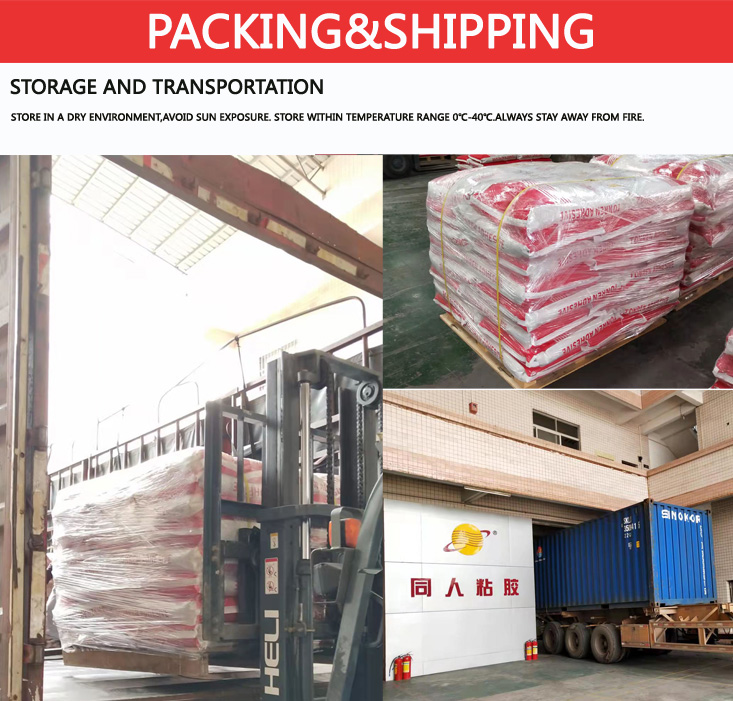
Technical Parameters Buyers Should Evaluate
When selecting wrapping adhesive, purchasing decisions should not focus solely on price.
The following technical indicators have a greater impact on long-term performance.
| Parameter | Recommended Standard |
|---|---|
| Initial Tack | High |
| Bond Strength | Excellent |
| Heat Resistance | ≥120°C |
| Moisture Resistance | Excellent |
| Aging Resistance | Excellent |
| Open Time Stability | Consistent |
| Production Compatibility | High-Speed Ready |
| VOC Performance | Environmentally Compliant |
Professional suppliers should provide complete technical data and application guidance.
Data Evidence: Why Adhesive Quality Directly Impacts Profitability
Many manufacturers focus only on adhesive purchase cost.
However, the true cost of adhesive usage includes:
Rework
Downtime
Warranty claims
Customer complaints
Material waste
Industry production audits show:
| Production Indicator | Low-Quality Adhesive | High-Performance Wrapping Adhesive |
|---|---|---|
| Delamination Defects | 4%-8% | Below 2% |
| Rework Costs | High | Significantly Lower |
| Machine Cleaning Frequency | Frequent | Reduced |
| Customer Complaints | Higher | Lower |
| Product Lifespan | Moderate | Extended |
Factories upgrading adhesive systems often report:
30%-60% reduction in wrapping defects
20%-40% reduction in rework costs
15%-25% improvement in production efficiency
Common Purchasing Questions
Is Wrapping Adhesive More Expensive Than EVA?
The unit price may be higher.
However, lower defect rates and improved productivity often reduce overall manufacturing costs.
Can Existing Machines Use New Wrapping Adhesives?
In most cases, yes.
Professional suppliers can provide parameter recommendations and compatibility guidance.
How Can We Evaluate Adhesive Performance?
Manufacturers should test:
Heat resistance
Peel strength
Aging performance
Moisture resistance
Production stability
Comprehensive evaluation delivers the most accurate results.
Why Choose Foshan Tonren Adhesive Co., Ltd?
For many years, Foshan Tonren Adhesive Co., Ltd has specialized in the development and manufacturing of industrial adhesive solutions for furniture, building materials, and decorative profile applications.
Our product portfolio includes:
Profile Wrapping Adhesives
PUR Adhesives
Edge Banding Adhesives
Lamination Adhesives
Vacuum Press Adhesives
Solid Wood Adhesives
Our Advantages
✔ Extensive adhesive manufacturing experience
✔ ISO9001 Quality Management Certification
✔ Stable product consistency
✔ Customized adhesive solutions
✔ Fast technical support
✔ Export market expertise
✔ Reliable long-term supply capability
We help manufacturers reduce defects, improve production efficiency, and strengthen product competitiveness.
Your Next Step Toward Better Wrapping Performance
If your factory is experiencing:
Edge lifting
Film blistering
Delamination
Excessive downtime
Customer complaints
the problem may not be your machine.
The real issue could be your adhesive system.
Our technical team can help evaluate your production process and recommend the most suitable wrapping adhesive solution for your substrates, production speed, and performance requirements.
Conclusion
Profile wrapping quality depends on much more than machinery and decorative materials. The adhesive serves as the invisible foundation that determines durability, appearance, and customer satisfaction.
While traditional EVA systems may appear economical, hidden costs associated with defects, downtime, and warranty claims often outweigh initial savings.
By adopting advanced wrapping adhesive technology, manufacturers can achieve stronger bonds, higher production efficiency, and lower overall operating costs.
With professional expertise, reliable product quality, and years of application experience, Foshan Tonren Adhesive Co., Ltd continues helping profile manufacturers worldwide overcome wrapping challenges and deliver products built to last.