
In modern furniture manufacturing, precision is no longer a luxury—it is the baseline. Edges must be seamless. Panels must resist moisture. Production lines must move faster without sacrificing durability. Against this backdrop, material choice becomes decisive.
For more than 26 years, Foshan Tonren Adhesive Co., Ltd has been developing and refining adhesive technologies that help manufacturers meet these evolving demands. Established in 1999 and ISO9001 certified since 2010, Tonren serves both domestic and international markets with a complete adhesive portfolio including edge bonding, wrapping, and lamination solutions.
Among these technologies, PUR edge banding glue has emerged as a performance-driven upgrade over traditional bonding materials. While most manufacturers adopt it for durability, its deeper impact often goes unnoticed. Below are three surprising ways PUR edge banding glue can elevate your projects—technically, economically, and aesthetically.
Industry Context: Why Edge Bonding Technology Is Evolving
Furniture today faces harsher environments than ever before:
Kitchen cabinets exposed to steam and temperature fluctuation
Bathroom vanities under constant humidity
Commercial panels subjected to heavy usage
Export furniture required to meet global environmental standards
Traditional edge banding glue solutions, particularly conventional hot melt glue systems, often struggle with heat resistance, moisture durability, and long-term aging performance.
PUR glue edge banding systems were developed to address these performance gaps through chemical cross-linking reactions after curing. The result is a structural bond rather than a simple thermoplastic adhesion.
Industry Performance Comparison
| Performance Indicator | Conventional hot melt glue | Tonren PUR edge banding glue |
|---|---|---|
| Heat Resistance | 70–90°C | 120–150°C |
| Moisture Resistance | Moderate | Excellent |
| Initial Bonding Speed | Fast | Fast |
| Final Bond Strength | Medium | Very High |
| Aging Resistance | Limited | Long-term Stable |
| Seam Appearance | Visible Line | Nearly Invisible |
This shift is why PUR edgebander glue is increasingly considered the next-generation bonding solution for high-end production lines.
1️⃣ Surprising Improvement: Micro-Seam Perfection for Premium Aesthetics
At first glance, edge bonding seems purely structural. In reality, visual perception defines product value.
Because PUR edge banding glue penetrates substrates more effectively and reacts with ambient moisture, it forms a thin yet extremely strong bond line. This reduces glue line visibility dramatically compared to conventional edge banding glue.
PUR glue edge banding technology allows manufacturers to achieve:
Near-zero glue line appearance
Cleaner transitions between panel and edge tape
Higher perceived product value
For high-gloss cabinetry and luxury interiors, PUR edgebander glue ensures that edges do not betray the craftsmanship of the surface.
When aesthetics directly influence pricing power, this advantage becomes commercially significant.
2️⃣ Surprising Improvement: Structural Moisture Shielding
Many manufacturers adopt PUR edge banding glue for heat resistance—but underestimate its moisture-blocking capability.
Unlike thermoplastic hot melt glue, which can soften under heat and humidity, PUR glue edge banding systems undergo chemical curing. This cross-linking forms a stable network that resists water infiltration.
This translates into:
Reduced edge swelling
Improved long-term dimensional stability
Lower warranty claim rates
In kitchen and bathroom furniture manufacturing, PUR edgebander glue becomes not just an adhesive but a structural barrier.
Edge banding glue failures are often traced back to moisture ingress at the bond line. By replacing standard hot melt glue with reactive formulations, manufacturers effectively upgrade the panel’s defensive performance.
3️⃣ Surprising Improvement: Long-Term Cost Optimization
At first glance, PUR edge banding glue appears more expensive per kilogram than traditional hot melt glue. However, total cost evaluation tells a different story.
Key economic factors include:
Lower application quantity due to stronger bonding
Reduced rework and scrap rates
Longer machine cleaning intervals
Fewer product returns
PUR glue edge banding technology often requires less adhesive per linear meter because of superior bonding strength. Additionally, PUR edgebander glue minimizes delamination over time, protecting brand reputation.
When calculated across annual production volume, the savings outweigh the unit material price difference.
Technical Parameter Reference for PUR Systems
| Technical Parameter | Tonren PUR edge banding glue |
|---|---|
| Open Time | Controlled for automation |
| Application Temperature | 110–140°C |
| Full Cure Reaction | Moisture Reactive |
| Final Shear Strength | High |
| Heat Resistance | Up to 150°C |
| Water Resistance | Excellent |
These metrics explain why advanced edge banding glue strategies increasingly integrate reactive technology rather than relying solely on thermoplastic hot melt glue.
Why Tonren’s 26 Years of Experience Matters
Experience in adhesive manufacturing is not simply about longevity. It reflects accumulated knowledge in:
Raw material selection
Reaction control stability
Batch-to-batch consistency
Climate adaptability
Since 1999, Tonren has continuously optimized PUR edge banding glue formulations to ensure reliable performance across diverse production environments.
ISO9001 certification since 2010 ensures that PUR glue edge banding products maintain traceable quality control systems—essential for export markets and high-volume manufacturers.
Frequently Asked Questions (FAQ)
Q1: Is PUR edge banding glue suitable for all edgebanders?
Most modern machines are compatible with PUR edgebander glue systems, though dedicated melting units are recommended for optimal performance.
Q2: How does PUR glue edge banding compare to traditional hot melt glue in speed?
Application speed remains comparable. The difference lies in post-application chemical curing, which enhances final bond strength.
Q3: Does edge banding glue require special storage conditions?
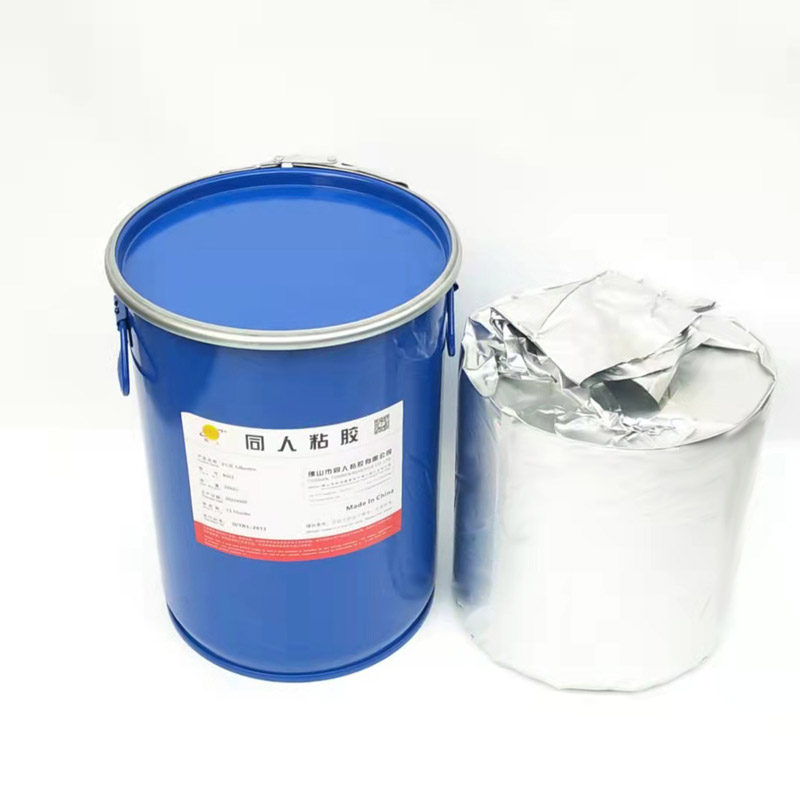
Yes. PUR systems are moisture reactive and must be stored in sealed packaging to prevent premature curing.
Q4: Is hot melt glue still relevant in production?
Yes. Conventional hot melt glue remains suitable for low-cost applications. However, premium segments increasingly shift toward reactive systems.
Strategic Recommendation for Manufacturers
If your factory is upgrading equipment, targeting export markets, or aiming to reduce post-installation complaints, transitioning to PUR edge banding glue should be part of your strategic roadmap.
Evaluate not just adhesive price—but:
Bond durability
Climate resistance
Production efficiency
Brand positioning
PUR glue edge banding adoption is less about trend and more about long-term competitiveness.
Conclusion: Beyond Adhesion, Toward Structural Advantage
The real value of PUR edgebander glue lies not only in strength but in transformation. It refines aesthetics, protects against environmental stress, and optimizes lifecycle cost.
Edge banding glue is no longer a background material—it defines the edge of your brand. While traditional hot melt glue still serves basic needs, manufacturers aiming for premium positioning increasingly turn toward reactive technology.
For companies seeking a reliable partner with 26 years of adhesive expertise, Foshan Tonren Adhesive Co., Ltd continues to deliver performance-driven bonding solutions trusted in both domestic and international markets.
In competitive manufacturing, improvement often hides in small details. The right adhesive is one of them.