
How Can Eco-friendly Adhesives Help 40% of Factories Solve VOC Compliance Risks?
Growing VOC Regulations Are Reshaping Global Manufacturing
Across the furniture, building materials, packaging, automotive, and interior decoration industries, environmental regulations are becoming increasingly stringent. Manufacturers are facing mounting pressure to reduce volatile organic compound (VOC) emissions while maintaining product quality and production efficiency.
According to industry surveys, nearly 40% of manufacturing facilities worldwide face varying degrees of VOC compliance risks, particularly companies using traditional solvent-based adhesives and outdated bonding technologies.
As environmental standards continue to tighten across Europe, North America, Southeast Asia, and emerging export markets, manufacturers are actively seeking safer and more sustainable adhesive solutions.
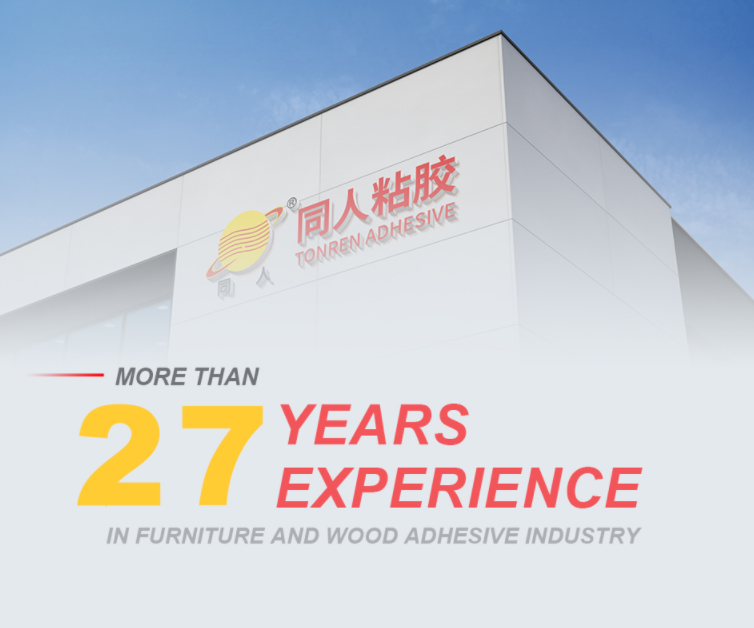
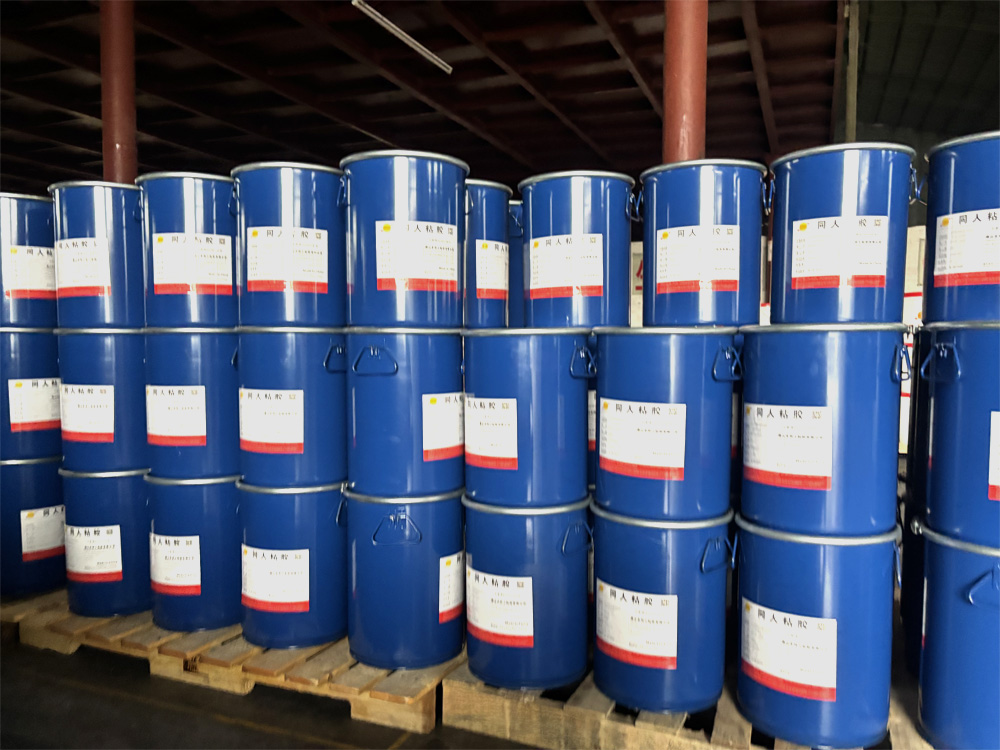
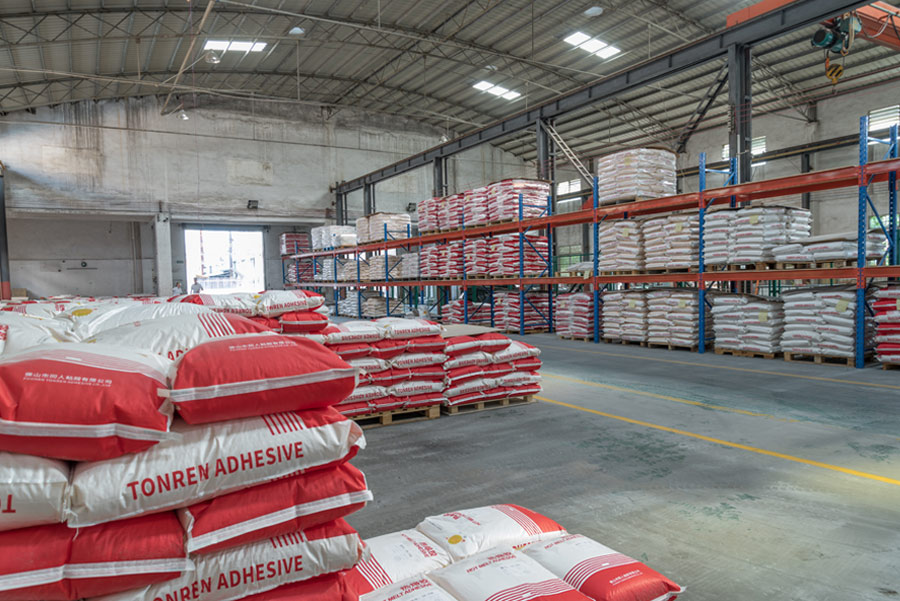
Recently, Foshan Tonren Adhesive Co., Ltd completed multiple shipments of eco-friendly adhesive products to furniture and decorative material manufacturers upgrading their production systems to meet stricter environmental requirements. These projects demonstrate how modern adhesive technologies can help factories reduce compliance risks while improving operational performance.
What Are Eco-friendly Adhesives?
Eco-friendly adhesives are advanced bonding materials specifically developed to reduce environmental impact while maintaining high-performance bonding characteristics.
Compared with conventional solvent-based adhesives, modern eco-friendly adhesive systems offer:
Lower VOC emissions
Reduced odor
Improved workplace safety
Better environmental compliance
Lower health risks for operators
Enhanced sustainability performance
These adhesive solutions are widely used in:
Furniture manufacturing
Interior decoration
Building materials
Packaging production
Automotive components
Electronic assembly
Today, eco-friendly adhesives are no longer simply an environmental option—they are becoming a competitive necessity.
Why Are VOC Compliance Risks Becoming a Major Concern?
VOC emissions are generated when volatile chemicals evaporate into the atmosphere during adhesive application and curing processes.
Excessive VOC emissions may lead to:
Environmental penalties
Production restrictions
Increased operating costs
Worker health concerns
Export certification challenges
Customer audit failures
Many countries have implemented increasingly strict VOC regulations.
Examples include:
| Region | Regulatory Trend |
|---|---|
| European Union | Low-VOC and sustainable material requirements |
| United States | State-level VOC restrictions and indoor air quality standards |
| Southeast Asia | Increasing environmental inspections |
| Middle East | Green building certification growth |
| China | Industrial emission reduction initiatives |
Manufacturers that fail to adapt risk losing access to premium markets and long-term customers.
How Eco-friendly Adhesives Help Factories Reduce Compliance Risks
The transition from traditional adhesives to environmentally responsible bonding systems delivers multiple benefits.
Lower VOC Emissions
Modern eco-friendly adhesives significantly reduce airborne emissions during application and curing.
Many advanced formulations can reduce VOC output by 50%–90% compared with traditional solvent-based systems.
Improved Workplace Environment
Lower VOC levels contribute to:
Better air quality
Improved worker comfort
Reduced odor complaints
Safer production environments
Factories implementing low-VOC adhesive technologies often report noticeable improvements in workplace conditions.
Easier Environmental Audits
Manufacturers serving international customers increasingly face environmental compliance inspections.
Using eco-friendly adhesive systems helps:
Simplify compliance documentation
Support customer audits
Improve ESG performance reporting
Strengthen supplier qualification status
Reduced Long-Term Compliance Costs
Rather than investing heavily in additional air treatment equipment, many factories find that reducing emissions at the source through adhesive upgrades provides a more cost-effective solution.
Application Scenarios Where Eco-friendly Adhesives Create the Greatest Value
Furniture Manufacturing
Furniture production remains one of the largest consumers of industrial adhesives.
Applications include:
Edge banding
Profile wrapping
Panel lamination
Solid wood assembly
Vacuum membrane pressing
Industry studies suggest that adhesive-related VOC emissions can account for 20%–35% of total furniture production emissions, depending on process design.
Decorative Building Materials
Wall panels, decorative boards, flooring products, and composite materials increasingly require low-emission adhesive systems.
Builders and developers now prioritize materials supporting:
LEED certification
Green building standards
Indoor air quality requirements
Packaging Industry
Food packaging and consumer goods packaging require increasingly safe adhesive technologies.
Eco-friendly adhesives help manufacturers comply with evolving packaging regulations.
Automotive Interiors
Vehicle manufacturers continue reducing VOC emissions inside passenger cabins.
Low-odor adhesive systems have become essential for automotive interior production.
Technical Parameters of Modern Eco-friendly Adhesives
When evaluating environmentally responsible adhesive solutions, manufacturers should assess multiple performance indicators.
| Technical Parameter | Recommended Performance |
|---|---|
| VOC Emission Level | Low |
| Odor Level | Minimal |
| Bond Strength | High |
| Heat Resistance | Excellent |
| Moisture Resistance | Excellent |
| Aging Resistance | Long-Term Stable |
| Environmental Compliance | International Standards |
| Production Compatibility | High-Speed Production Ready |
Modern eco-friendly adhesives must deliver both environmental benefits and production reliability.
Data Evidence: Why More Factories Are Upgrading Adhesive Systems
Recent manufacturing industry reports indicate:
| Industry Challenge | Percentage of Factories Affected |
|---|---|
| VOC Compliance Pressure | 40% |
| Customer Environmental Audits | 52% |
| Sustainability Reporting Requirements | 47% |
| Indoor Air Quality Concerns | 38% |
| Export Compliance Challenges | 35% |
Factories that upgraded to environmentally friendly adhesive systems reported:
| Improvement Area | Typical Improvement |
|---|---|
| VOC Emissions | Reduced by 50%–90% |
| Environmental Audit Success Rate | Improved significantly |
| Workplace Odor Complaints | Reduced by 40%–70% |
| Customer Compliance Acceptance | Improved substantially |
| ESG Performance Ratings | Enhanced |
These findings explain why eco-friendly adhesives are becoming a strategic investment rather than simply a purchasing decision.
Common Purchasing Questions from Manufacturers
"Will Eco-friendly Adhesives Reduce Bonding Strength?"
Not necessarily.
Modern adhesive technology allows manufacturers to achieve excellent bonding performance while simultaneously reducing environmental impact.
Many advanced formulations outperform older solvent-based systems in durability testing.
"Are Eco-friendly Adhesives More Expensive?"
The unit price may sometimes be slightly higher.
However, manufacturers often achieve savings through:
Lower compliance costs
Reduced ventilation expenses
Fewer environmental penalties
Better customer acceptance
Improved export opportunities
The total cost of ownership is frequently lower.
"How Can We Verify Environmental Performance?"
Manufacturers should request:
VOC testing reports
Technical data sheets
Compliance certifications
Application testing results
Professional suppliers should provide complete technical documentation.
Why Manufacturers Trust Foshan Tonren Adhesive Co., Ltd
With more than 26 years of experience in adhesive R&D, manufacturing, and sales, Foshan Tonren Adhesive Co., Ltd continues helping customers balance environmental responsibility with industrial performance.
Our product portfolio includes:
Edge Banding Adhesives
Wrapping Adhesives
Lamination Adhesives
PUR Adhesives
Vacuum Press Adhesives
Solid Wood Adhesives
Functional Industrial Adhesives
Key Advantages
✔ ISO9001-certified quality management system
✔ Stable manufacturing quality
✔ Customized formulation capability
✔ Environmental compliance expertise
✔ International export experience
✔ Fast technical support
✔ Long-term supply stability
Tonren works closely with customers to identify adhesive solutions that support both production efficiency and sustainability goals.
Your Path to Safer, More Compliant Manufacturing
If your factory is experiencing:
VOC compliance pressure
Environmental audit challenges
Customer sustainability requirements
Workplace odor complaints
Export qualification difficulties
Now may be the right time to evaluate your adhesive system.
Tonren's technical team can help assess your current production process and recommend eco-friendly adhesive solutions tailored to your manufacturing environment.
Whether your goal is reducing emissions, improving compliance, or strengthening market competitiveness, the right adhesive technology can become a key driver of long-term success.
Conclusion
As environmental regulations continue evolving worldwide, manufacturers can no longer treat adhesive selection as a simple purchasing decision.
Eco-friendly adhesive technologies are helping factories reduce VOC emissions, improve compliance performance, enhance workplace safety, and strengthen customer trust.
The fact that approximately 40% of factories face VOC-related compliance risks highlights the growing importance of sustainable manufacturing solutions.
With over 26 years of industry expertise, Foshan Tonren Adhesive Co., Ltd remains committed to providing high-performance, environmentally responsible adhesive solutions that help customers achieve both production excellence and regulatory compliance.
The future of manufacturing is not only stronger—it is cleaner, safer, and more sustainable.