
How to Apply Wood Edge Banding to Plywood? A Practical Guide Backed by Modern Adhesive Technology
Edge banding has become a defining detail in modern furniture manufacturing. Whether it's a cabinet door, a plywood shelf, or a custom piece of interior décor, the clean, finished look of edge banding elevates both durability and aesthetics. But to achieve that flawless finish, one question matters most: how do you properly apply wood edge banding to plywood?
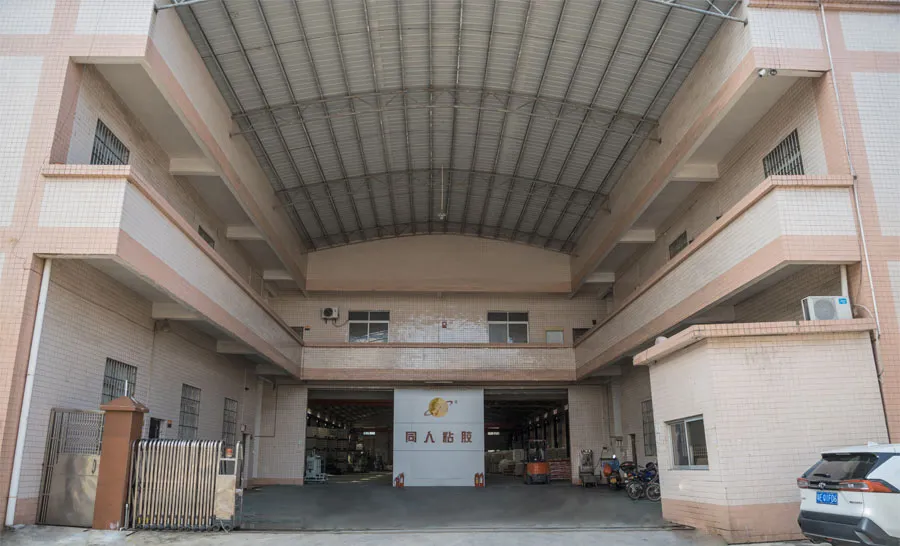
Behind many successful edge-banding production lines standsFoshan Tonren Adhesive Co., Ltd. Founded in 1999, Tonren has accumulated over 26 years of experience in developing and producing advanced adhesives. Trusted across China and recognized in international markets, Tonren achieved ISO9001 certification in 2010, ensuring consistent quality and dependable performance.
Today, Tonren’s portfolio—featuring PUR edge banding glue, PUR glue edge banding, PUR edgebander glue, specialty edge banding glue, and high-efficiency hot melt glue—supports factories worldwide in producing smooth, durable, and professional finishes.
Why Edge Banding Matters for Plywood
Plywood, while versatile, exposes its layered structure along the edges. Edge banding protects these exposed layers from moisture, impact, and wear, while also giving the panel a clean, furniture-grade appearance. To bond these edges properly, manufacturers rely on high-performance adhesives—especially modern PUR edge banding glue and hot melt glue engineered for strong, long-lasting adhesion.
Step-by-Step: How to Apply Wood Edge Banding to Plywood
1. Prepare the Plywood Edge
A smooth, dust-free edge is essential. Even the highest-grade edge banding glue performs poorly if the surface isn’t properly prepped.
2. Apply the Glue
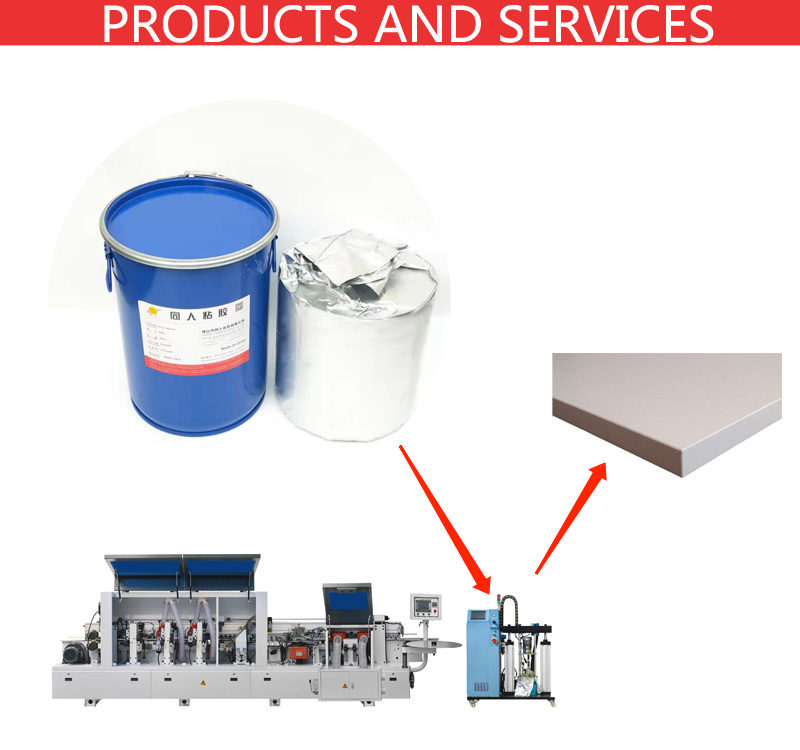
Depending on the equipment, factories typically use hot melt glue for fast production or PUR edge banding glue for premium, moisture-resistant bonding.
Manual users may apply PUR glue edge banding for stronger adhesion on difficult edges.
3. Position the Edge Band
Align the band with precision. As PUR edgebander glue activates under heat, the band must be placed correctly to avoid later adjustments.
4. Press and Bond
Use a roller or machine pressure system. Consistent pressure ensures edge banding glue spreads evenly and penetrates the pores of the plywood.
5. Trim and Finish
Once the hot melt glue or PUR glue edge banding has cooled, trim the excess and smooth the edges. The result should be seamless and clean.
Why PUR Glue Is Changing the Edge Banding Industry
Traditional hot melts work well, but the industry has largely shifted toward PUR edge banding glue for high-end applications. This category of adhesive offers:
Exceptional waterproofing
Superior heat resistance
High flexibility and toughness
Better long-term durability
Cleaner aesthetics with fewer glue lines
Factories producing kitchen cabinets, bathroom cabinets, and high-end furniture often rely on PUR edgebander glue as their premium solution. Yet hot melt glue still remains a practical choice for cost-effective and high-speed production lines.

Industry Analysis: Adhesive Trends in the Edge Banding Market
Industry Parameter Table
| Parameter | 2025 Trend | Impact on Edge Banding Industry |
| Plywood Furniture Market | Growing | Higher demand for PUR edge banding glue |
| Waterproof Furniture Needs | Rising sharply | Boost in PUR glue edge banding usage |
| Automation in Factories | Accelerating | Consistent demand for PUR edgebander glue |
| Cost-Efficient Production | Strong | Maintains demand for standard hot melt glue |
| Premium Interior Finishes | Trending | Strong push for edge banding glue upgrades |
| Export Furniture Expansion | Increasing | Adhesives must meet higher standards |
| Eco-Friendly Manufacturing | Expanding | Drives reformulation of all hot melt glue |
| Customized Furniture Market | Booming | Increases the use of specialized edge banding glue |
Choosing the Right Glue for Plywood Edge Banding
| Application Needs | Recommended Adhesive |
| High-end furniture | PUR edge banding glue |
| Water-prone areas | PUR glue edge banding |
| Fast production line | hot melt glue |
| Complex edges or curves | PUR edgebander glue |
| Universal application | edge banding glue |
Regardless of the project, Tonren’s adhesives ensure consistent performance, strong bonding, and clean finishing.
FAQs: Edge Banding Plywood
1. Which glue sticks best to plywood edges?
PUR edge banding glue provides the strongest and longest-lasting bonding.
2. Does hot melt glue work for plywood edge banding?
Yes. Hot melt glue is widely used for fast, efficient production.
3. Is PUR glue resistant to moisture?
Absolutely. PUR glue edge banding is known for its waterproof bonding.
4. What glue do industrial edgebanders use?
Most advanced lines rely on PUR edgebander glue for its stability and durability.
5. Can I use general edge banding glue with any material?
Yes, edge banding glue works for most woods, but specialized PUR formulas give premium results.
Conclusion & Call to Action
Applying wood edge banding to plywood may seem simple, but the adhesive behind the process determines the final outcome. Whether your priority is durability, waterproofing, speed, or cost efficiency, Tonren’s adhesive lineup—including PUR edge banding glue, PUR glue edge banding, PUR edgebander glue, traditional edge banding glue, and reliable hot melt glue—provides a solution for every production requirement.
With more than 26 years of adhesive innovation and a strong global reputation,Foshan Tonren Adhesive Co., Ltd. continues to empower furniture manufacturers with robust, stable, and high-performance bonding solutions.
If you're looking to upgrade your edgebanding process or enhance the quality of your plywood products, now is the perfect time to explore Tonren’s advanced edge banding adhesives.