
PUR vs EVA Hot Melt Adhesives: Key Differences, Applications, and How to Choose
What Are PUR and EVA Hot Melt Adhesives?
Hot melt adhesives are widely used in manufacturing for bonding materials quickly and efficiently. Among them, PUR (Polyurethane Reactive) hot melt and EVA (Ethylene Vinyl Acetate) hot melt are two of the most commonly used types.
PUR hot melt adhesive is a moisture-curing adhesive that forms a strong chemical bond after application.
EVA hot melt adhesive is a thermoplastic adhesive that bonds through cooling and solidification.
Key takeaway: PUR provides higher performance and durability, while EVA offers cost-effective and fast bonding for general applications.
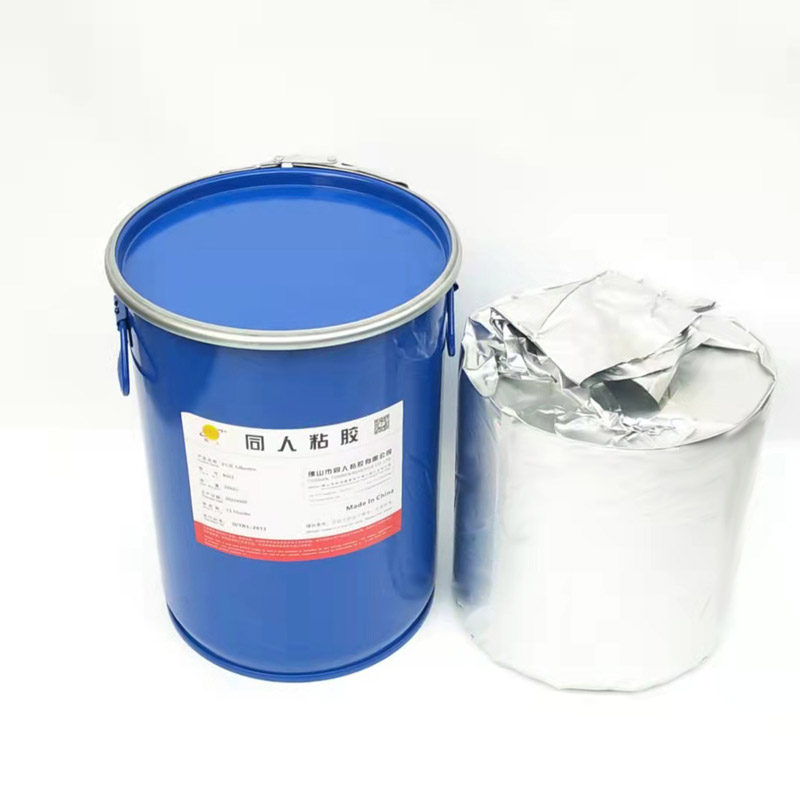
Key Differences Between PUR and EVA Hot Melt Adhesives
| Feature | PUR Hot Melt Adhesive | EVA Hot Melt Adhesive |
|---|---|---|
| Bonding Type | Chemical (reactive curing) | Physical (cooling-based) |
| Strength | Very high | Medium |
| Heat Resistance | Excellent | Moderate |
| Water Resistance | Excellent | Limited |
| Flexibility | High | Moderate |
| Cost | Higher | Lower |
| Application Speed | Medium | Fast |
The key difference is that PUR creates a chemical cross-linked bond, while EVA relies on physical adhesion.
When to Use PUR Hot Melt Adhesive
PUR adhesives are ideal for high-performance applications where durability is critical.
Common applications include:
Furniture edge banding
Profile wrapping
Laminating decorative panels (PVC, PET, veneer)
Automotive interior bonding
Advantages:
Strong and long-lasting bonding
High resistance to heat, moisture, and chemicals
Suitable for demanding environments
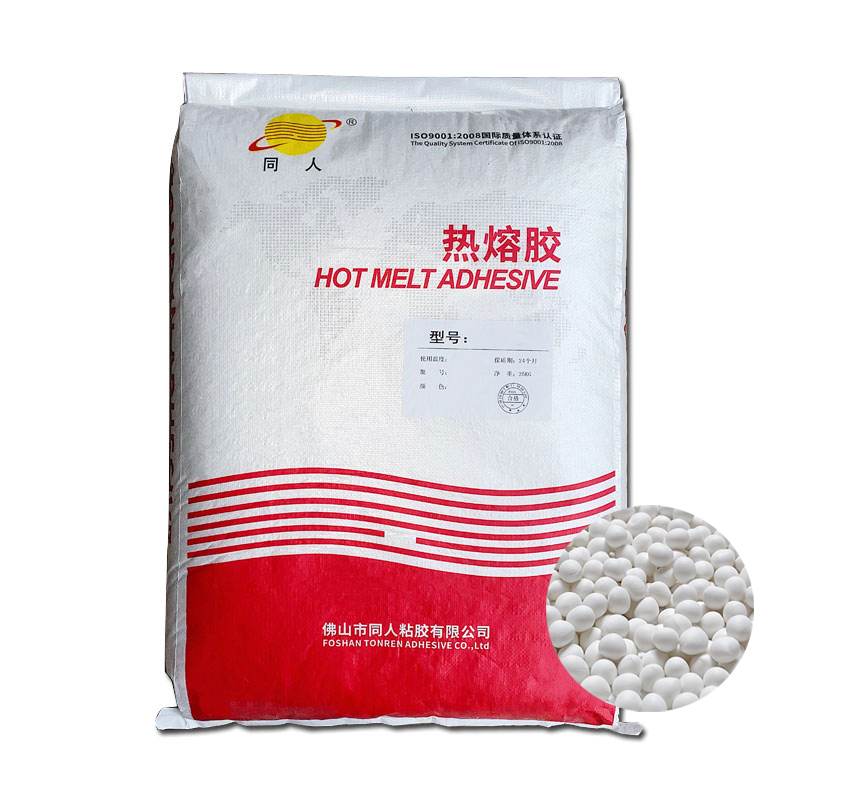
When to Use EVA Hot Melt Adhesive
EVA adhesives are suitable for cost-sensitive and high-speed production environments.
Common applications include:
Carton sealing and packaging
Bookbinding
General woodworking
Foam and textile bonding
Advantages:
Fast setting speed
Easy processing
Lower cost
How to Choose Between PUR and EVA Adhesives
The key factors include:
Application requirements – Is high strength or flexibility needed?
Environmental conditions – Will the product face heat or moisture?
Material compatibility – Wood, plastic, metal, or composite surfaces
Production speed – High-speed lines may prefer EVA
Budget considerations – PUR is higher cost but longer lasting
In general, choose PUR for durability and EVA for efficiency and cost control.
Common Problems and Solutions
1. Adhesive Failure
Cause: Poor surface preparation or incorrect adhesive selection
Solution: Ensure clean surfaces and match adhesive type to material
2. Delamination Over Time
Cause: Low heat or moisture resistance (common with EVA)
Solution: Switch to PUR adhesive for better durability
3. Stringing or Uneven Application
Cause: Incorrect temperature settings
Solution: Optimize application temperature and equipment calibration
Frequently Asked Questions (FAQ)
Q1: What is the main difference between PUR and EVA adhesives?
A: The main difference is that PUR forms a chemical bond with high durability, while EVA relies on physical bonding and is more cost-effective.
Q2: Which adhesive is better for furniture manufacturing?
A: PUR adhesive is generally better for furniture due to its strength, moisture resistance, and long-term durability.
Q3: Can EVA replace PUR adhesive?
A: EVA can be used in less demanding applications, but it cannot fully replace PUR in high-performance environments.
Q4: Is PUR adhesive waterproof?
A: Yes, PUR adhesives offer excellent water resistance after curing.
Conclusion
PUR and EVA hot melt adhesives each have their strengths. PUR is ideal for high-performance, durable applications, while EVA is suitable for fast, cost-effective production.
Choosing the right adhesive depends on your specific application, materials, and performance requirements.
Need Help Choosing the Right Adhesive?
If you are unsure which adhesive is best for your application, our technical team can help you find the optimal solution.
👉 Contact us today for a customized adhesive recommendation or request a sample.